- 0561 89 47 18
- contact@rsbc.dz
- Ain El Bey lot N° 521-A N°03 Nouvelle Ville





 CategoriesUncategorized
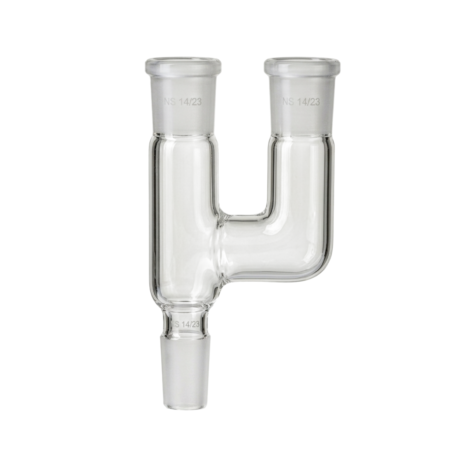
 Dans les laboratoires pharmaceutiques modernes, la précision est essentielle. La qualité des résultats dépend non seulement des équipements analytiques utilisés, mais également de la verrerie de laboratoire qui intervient à chaque étape des analyses. Fioles jaugées, béchers, pipettes et colonnes de distillation jouent un rôle fondamental dans la fiabilité des procédures. Une mesure précise commence toujours par un matériel de qualité. Pourquoi la qualité de la verrerie est-elle essentielle ? Les analyses pharmaceutiques exigent des tolérances extrêmement faibles. Une verrerie mal calibrée ou présentant des défauts peut entraîner des erreurs de dosage, des contaminations ou des résultats non conformes. Les laboratoires certifiés privilégient généralement le verre borosilicaté en raison de sa résistance chimique et thermique exceptionnelle. Les principaux types de verrerie utilisés Fioles jaugées Utilisées pour préparer des solutions de concentration précise. Pipettes volumétriques Garantissent un transfert exact des liquides lors des manipulations. Éprouvettes graduées Permettent des mesures rapides lors des contrôles courants. Réacteurs et adaptateurs spécialisés Indispensables dans les opérations de synthèse chimique et de recherche. Face aux exigences croissantes du secteur pharmaceutique, les laboratoires doivent continuellement améliorer leurs infrastructures et leurs méthodes d’analyse. L’intégration de nouvelles technologies permet non seulement d’augmenter la productivité mais également de renforcer la qualité des contrôles réalisés. RSBC accompagne les professionnels du secteur en proposant une gamme complète d’équipements de laboratoire, réactifs chimiques, verrerie, consommables et pièces de rechange adaptés aux besoins des laboratoires pharmaceutiques, industriels et de recherche.
 CategoriesDaily Life,Physical Sciences
 In response to the COVID-19 pandemic, rapid sharing of information about planned clinical trials investigating treatments and vaccines was necessary. In this blog for Clinical Trials Day 2021, we look at the novel reporting of study protocols of COVID-19 randomised trials through the BMC Trials structured summary project over the past year. Due to the urgency of the COVID-19 pandemic, clinical trials were being registered, and participants recruited, at unprecedented speeds which would not allow time for publication of study protocols. We predicted that a lack of time to write a full study protocol article and delays in securing funding could be limiting factors to publication, especially in resource-limited settings and where authors are frontline healthcare workers. Accurately reported protocols are vital for research transparency, reducing the risk of bias in trial results, informing the scientific community about ongoing studies, avoiding duplication, and better coordinating research efforts. Therefore, Trials proposed implementing a new, simplified process for handling COVID-19 trial protocols. Since I started taking these? I’ve had 2. In 9 months. One time of which I was actually sick with a viral infection. I really don’t think that’s a coincidence. Considering how many you get in a bottle… An Editorial written by the Editors in Chief and Senior Editors of Trials was published in April 2020 to describe the project and invite submissions. This process involved the creation of a simple template for a one-page structured summary based on the CONSORT extension for abstracts which would be simple for authors to complete and editors to review, whilst still allowing for thorough reporting. This summary would be published alongside the full study protocol document that has not undergone peer-review as an additional file. At the time of writing 158 structured summaries have been published as part of the project and the journal has met our aim to publish summaries within an average of 30 days of submission. Structured summaries published as part of the project have covered topics such as testing for the virus, treatment of people with COVID-19, and prevention and vaccination against the disease. A highly accessed article from the project includes a summary of the PROFISCOV trial protocol. This trial aims to assess the efficacy and safety of an adsorbed COVID-19 (Inactivated) vaccine candidate manufactured by Sinovac in healthcare professionals, as well as comparing the safety of the vaccine in adult and elderly participants. Another highly accessed publication was the MelCOVID study summary, which describes the protocol of a trial exploring the effect of intravenous melatonin on the mortality of patients with COVID-19 admitted to the intensive care unit. Moving past the one-year anniversary of this project, Trials will continue to support the transparent reporting of COVID-19-related studies and are also inviting submissions of manuscripts discussing changes to clinical trials as a result of the COVID-19 pandemic, including updates to previously published protocols. To find out more about how BMC are celebrating Clinical Trials Day 2021, please visit our dedicated page.
 CategoriesMedicine,Physical Sciences
 In response to the COVID-19 pandemic, rapid sharing of information about planned clinical trials investigating treatments and vaccines was necessary. In this blog for Clinical Trials Day 2021, we look at the novel reporting of study protocols of COVID-19 randomised trials through the BMC Trials structured summary project over the past year. Due to the urgency of the COVID-19 pandemic, clinical trials were being registered, and participants recruited, at unprecedented speeds which would not allow time for publication of study protocols. We predicted that a lack of time to write a full study protocol article and delays in securing funding could be limiting factors to publication, especially in resource-limited settings and where authors are frontline healthcare workers. Accurately reported protocols are vital for research transparency, reducing the risk of bias in trial results, informing the scientific community about ongoing studies, avoiding duplication, and better coordinating research efforts. Therefore, Trials proposed implementing a new, simplified process for handling COVID-19 trial protocols. Since I started taking these? I’ve had 2. In 9 months. One time of which I was actually sick with a viral infection. I really don’t think that’s a coincidence. Considering how many you get in a bottle… An Editorial written by the Editors in Chief and Senior Editors of Trials was published in April 2020 to describe the project and invite submissions. This process involved the creation of a simple template for a one-page structured summary based on the CONSORT extension for abstracts which would be simple for authors to complete and editors to review, whilst still allowing for thorough reporting. This summary would be published alongside the full study protocol document that has not undergone peer-review as an additional file. At the time of writing 158 structured summaries have been published as part of the project and the journal has met our aim to publish summaries within an average of 30 days of submission. Structured summaries published as part of the project have covered topics such as testing for the virus, treatment of people with COVID-19, and prevention and vaccination against the disease. A highly accessed article from the project includes a summary of the PROFISCOV trial protocol. This trial aims to assess the efficacy and safety of an adsorbed COVID-19 (Inactivated) vaccine candidate manufactured by Sinovac in healthcare professionals, as well as comparing the safety of the vaccine in adult and elderly participants. Another highly accessed publication was the MelCOVID study summary, which describes the protocol of a trial exploring the effect of intravenous melatonin on the mortality of patients with COVID-19 admitted to the intensive care unit. Moving past the one-year anniversary of this project, Trials will continue to support the transparent reporting of COVID-19-related studies and are also inviting submissions of manuscripts discussing changes to clinical trials as a result of the COVID-19 pandemic, including updates to previously published protocols. To find out more about how BMC are celebrating Clinical Trials Day 2021, please visit our dedicated page.
 CategoriesDaily Life,Physical Sciences
 Dans le monde en constante évolution de l’analyse pharmaceutique, la précision, l’exactitude et la fiabilité ne sont pas seulement des qualités souhaitables : ce sont des impératifs absolus. Chaque étape, de la préparation des échantillons à la mesure finale, doit respecter les normes les plus strictes afin de garantir la sécurité, l’efficacité et la qualité des produits pharmaceutiques. Si les instruments d’analyse de pointe occupent souvent le devant de la scène, on ne saurait trop insister sur le rôle fondamental joué par la verrerie de laboratoire de haute qualité. C’est en effet ce pilier discret qui garantit l’intégrité d’innombrables expériences et analyses. Pourquoi la qualité de la verrerie est-elle essentielle dans les laboratoires pharmaceutiques ? L’industrie pharmaceutique est soumise à des cadres réglementaires très stricts, dans lesquels même les écarts les plus minimes peuvent avoir des conséquences importantes. Le choix de la verrerie de laboratoire revêt donc une importance cruciale. Une verrerie de mauvaise qualité ou mal étalonnée peut entraîner : Mesures imprécises : elles entraînent des concentrations et des dosages erronés et, au final, compromettent la qualité du produit. Risques de contamination : des matériaux de qualité inférieure peuvent libérer des impuretés dans les échantillons, ce qui affecte les résultats analytiques et la pureté du produit. Risques pour la sécurité : la verrerie non conçue pour résister à des contraintes chimiques ou thermiques spécifiques peut se briser, ce qui présente des risques pour le personnel de laboratoire. Augmentation des coûts : le remplacement fréquent de la verrerie de mauvaise qualité et la nécessité de répéter les expériences en raison d’erreurs peuvent faire grimper considérablement les dépenses d’exploitation. La verrerie de haute qualité, en particulier celle fabriquée en verre borosilicaté, offre une résistance chimique, une stabilité thermique et une résistance mécanique supérieures. Ces propriétés sont essentielles pour manipuler un large éventail de produits chimiques agressifs et faire face aux températures extrêmes que l’on rencontre couramment dans la recherche pharmaceutique et le contrôle qualité.) Verrerie indispensable à l’analyse pharmaceutique Les laboratoires pharmaceutiques utilisent une grande variété de matériel en verre, chacun étant conçu pour des fonctions spécifiques. Comprendre leur utilisation correcte et l’importance de leur qualité est essentiel à la réussite des analyses : Fioles jaugées : étalonnées pour contenir un volume précis à une température donnée, elles sont indispensables pour préparer des solutions étalons et diluer des échantillons à des concentrations exactes. Leur précision a une incidence directe sur les résultats quantitatifs des dosages. Burettes : utilisées pour le dosage précis de volumes variables de liquide, principalement lors des titrages. La précision d’une burette est primordiale pour déterminer la concentration d’une substance inconnue. Pipettes (volumétriques et graduées) : les pipettes volumétriques délivrent un volume unique et fixe avec une grande précision, ce qui est idéal pour transférer des quantités précises de réactifs ou d’échantillons. Les pipettes graduées offrent une plus grande flexibilité pour mesurer des volumes variables, mais avec une précision légèrement inférieure. Béchers et flacons d’Erlenmeyer : bien qu’ils ne soient pas utilisés pour des mesures précises, ils sont indispensables pour mélanger, chauffer et conserver des solutions. Leur résistance chimique et thermique garantit l’intégrité des échantillons au cours des différentes étapes de préparation. Entonnoirs à décantation : indispensables pour les extractions liquide-liquide, ils permettent de séparer des liquides non miscibles en fonction de leurs différences de densité. Des entonnoirs de haute qualité empêchent les fuites et garantissent une séparation efficace. Appareils de distillation : utilisés pour purifier des liquides par distillation, un procédé courant dans la synthèse et le raffinage des composés pharmaceutiques. L’intégrité de la verrerie est essentielle pour prévenir toute contamination et garantir une séparation efficace. L’engagement de RSBC en faveur de la qualité Chez RSBC, nous comprenons les exigences rigoureuses de l’analyse pharmaceutique. Nous travaillons en partenariat avec des fabricants de renommée mondiale afin de proposer une gamme complète de verrerie de laboratoire répondant aux normes internationales les plus strictes en matière de précision, de durabilité et de résistance chimique. Notre sélection garantit à votre laboratoire l’accès aux outils fiables nécessaires pour obtenir des résultats précis et reproductibles, contribuant ainsi à la qualité et à la sécurité globales des produits pharmaceutiques. Investir dans de la verrerie de laboratoire de haute qualité, c’est investir dans l’intégrité de vos recherches et dans la sécurité de vos produits. Choisissez RSBC pour une verrerie capable de répondre aux exigences rigoureuses de l’analyse pharmaceutique. Mots-clés : Analyse pharmaceutique, verrerie de laboratoire, verre borosilicaté, fioles jaugées, pipettes, burettes, résistance chimique, stabilité thermique, contrôle qualité, RSBC.